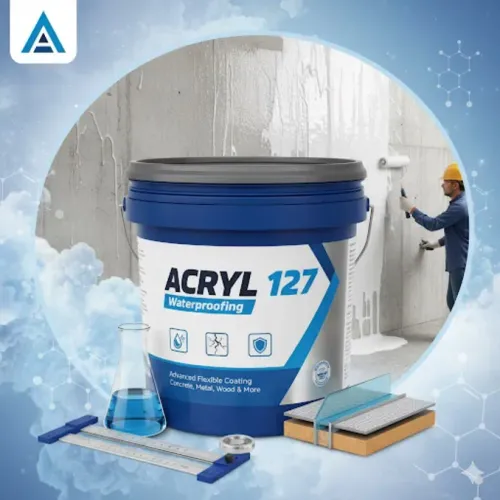

Large residential, commercial, and infrastructure developments cannot treat waterproofing as a minor finishing activity. Water ingress can affect occupied spaces, finishes, structural components, electrical areas, basements, and long-term maintenance requirements. Choosing the right waterproofing solution therefore requires technical evaluation before procurement begins.
Developers and contractors can reduce risk by using a project-wide selection checklist.
Map Every Water Exposure Zone
The first step is identifying where water can reach the structure.
A large development may contain terraces, podiums, balconies, basements, bathrooms, water tanks, landscaped areas, retaining walls, service shafts, external façades, and construction joints.
These zones should not automatically receive the same treatment.
Create an application schedule showing the substrate, exposure type, expected movement, drainage conditions, and final finish for each area.
This makes product selection more systematic.
Examine Critical Construction Details
Waterproofing failures frequently appear at details rather than across the centre of an uninterrupted surface.
Pay particular attention to:
- Pipe penetrations
- Drain outlets
- Upstands
- Parapet junctions
- Construction joints
- Expansion joints
- Corners
- Changes in substrate
- Termination points
These details should be planned before waterproofing crews arrive.
Evaluate the Complete System Cost
Procurement managers should avoid comparing waterproofing products solely through pack prices.
A meaningful cost analysis includes surface preparation, primer where required, material consumption, reinforcement layers where specified, labour, drying time, protection, and subsequent finishes.
Coverage claims should also be assessed at the recommended application thickness.
The cheapest pack can become expensive when material consumption is high or repeated repair work becomes necessary.
Check Application Practicality
A technically suitable system must also be practical for the site.
Consider whether workers can access the area properly, whether the substrate can be prepared to the required condition, and whether application can be completed within available weather windows.
Navi Mumbai receives substantial monsoon rainfall, so project schedules across the region need to account for surface moisture and rain exposure during waterproofing work.
Planning major external applications without considering weather can disrupt both quality and timelines.
Review Supplier Readiness
For large projects, material supply is only one part of vendor evaluation.
Technical documentation, batch consistency, product availability, application guidance, and the ability to discuss project-specific requirements are also important.
Wizplast Chemicals Pvt. Ltd. operates within the construction chemicals manufacturing sector and can be evaluated by project teams alongside these technical and procurement criteria.
Before final approval, conduct mock-ups or trial areas where appropriate. These allow the team to assess application behaviour, coverage, adhesion, finishing, and coordination with subsequent trades.
A dependable waterproofing solution is not simply a coating purchased for a leaking surface. It is a planned system combining appropriate materials, sound detailing, correct preparation, controlled application, and protection. For developers and infrastructure teams across Maharashtra, making these decisions early can simplify execution and reduce avoidable remedial work later.
Keywords