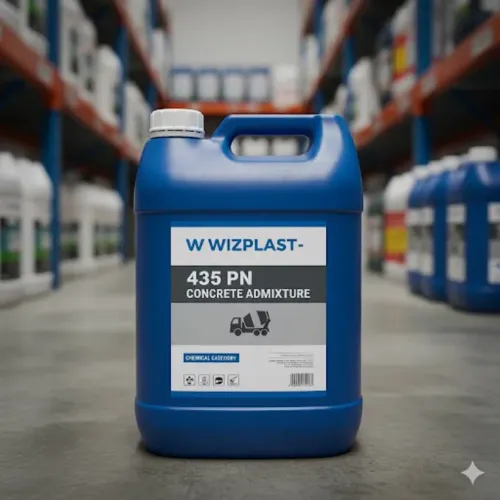

Selecting an admixture requires understanding both the chemistry and the concrete performance required on site. A Naphtha-based admixture, commonly associated with sulphonated naphthalene formaldehyde chemistry, has been used across many concrete applications where water reduction and improved workability are required.
The important question for project teams is whether its performance characteristics match the mix design, placement method, and construction schedule.
Understand the Required Concrete Behaviour
Before evaluating any admixture, define what the concrete actually needs to do.
A contractor may require improved workability for easier placement. An RMC producer may need water reduction while maintaining a specified slump. A precast operation may be more focused on production cycles and strength development.
These requirements should be translated into measurable criteria.
Useful parameters include:
- Target slump
- Water reduction
- Slump retention period
- Setting characteristics
- Compressive strength
- Concrete stability
- Pumping performance
- Dosage per cubic metre
Only then can admixture options be compared meaningfully.
Check Slump Retention Requirements
Concrete workability immediately after mixing is only one part of the evaluation.
If concrete is produced at a batching plant and transported to a project site, the slump available after 30, 60, or 90 minutes may be more important than the initial reading.
This is particularly relevant for ready-mix deliveries in Navi Mumbai, where traffic conditions can affect travel time between batching facilities and construction sites.
The admixture should therefore be tested at realistic time intervals.
Review Cost Per Cubic Metre
Procurement decisions sometimes focus heavily on the quoted price per kilogram. A better calculation examines the effective admixture cost per cubic metre of concrete.
For example, compare dosage required to achieve the same workability and water reduction. Also consider whether differences in cement consumption, pumping behaviour, productivity, or rejected loads affect overall economics.
This creates a more realistic picture of project value.
Test With Actual Cement
Admixture-cement compatibility should never be taken for granted.
Changes in cement composition can alter water demand, slump behaviour, setting, and dosage response. Supplementary materials can introduce additional variables.
Conducting trials with the materials intended for actual production provides much more useful information than relying exclusively on generic technical data.
Procurement Should Include Technical Review
Wizplast Chemicals Pvt. Ltd. serves construction chemical requirements where product selection may involve both procurement and engineering teams. For projects across Maharashtra, bringing these functions together can help prevent purchasing decisions based solely on commercial comparisons.
A Naphtha-based admixture may remain suitable for many conventional and project-specific concrete applications when its performance aligns with the required mix.
The best evaluation method is straightforward. Define performance targets, test the admixture with actual raw materials, monitor concrete at realistic intervals, calculate effective consumption, and compare the complete technical and commercial outcome. This approach helps turn admixture procurement into a measurable engineering decision.
Keywords