
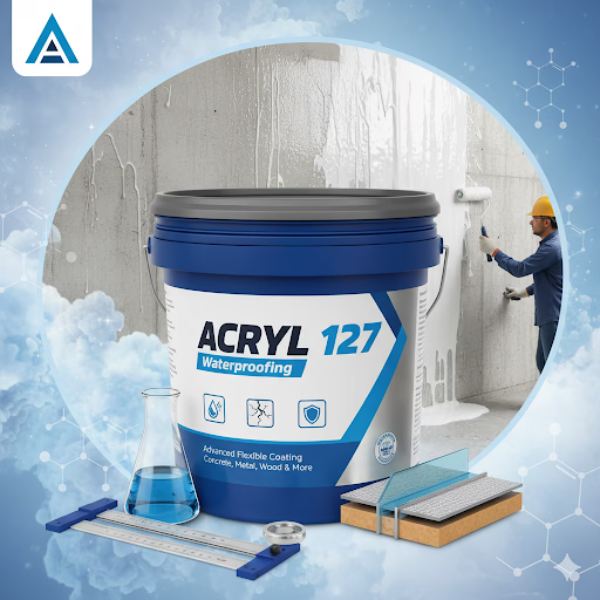
Waterproofing problems often begin with a mismatch between the selected material and the area where it is used. A waterproofing compound should therefore be evaluated according to substrate condition, water exposure, movement, application access, and the intended finish rather than selected from a generic product category.
For contractors, developers, and civil engineers, a structured selection process can reduce avoidable waterproofing failures.
Start With the Source of Moisture
Before choosing any waterproofing material, identify where the water is coming from.
A terrace exposed to rainfall has different requirements from a basement wall facing groundwater pressure. A bathroom wet area differs from an external wall affected by wind-driven rain.
Typical areas requiring waterproofing assessment include:
- Terraces
- Bathrooms
- Balconies
- Basements
- Water tanks
- Podiums
- External walls
- Foundations
- Utility areas
The location and direction of water pressure significantly influence material selection.
Assess the Existing Surface
The substrate needs careful inspection.
Cracks, honeycombing, weak plaster, poorly treated joints, surface contamination, and active leakage should not simply be hidden under a waterproof coating. These defects usually need appropriate treatment before the main system is applied.
Contractors should check whether the substrate is sound, clean, properly prepared, and suitable for the intended waterproofing product.
Moisture condition is another consideration. Some products are designed for damp substrates, while others require specific dryness levels.
Compare More Than Product Price
Price per kilogram provides an incomplete picture.
A more useful comparison considers coverage, recommended thickness, number of coats, surface preparation requirements, labour, curing time, expected service conditions, and compatibility with subsequent finishes.
A low-priced material requiring additional coats or complex preparation may have a higher installed cost.
Likewise, an expensive system may be unnecessary for a relatively straightforward application.
The objective should be appropriate performance at a sensible total project cost.
Consider Local Exposure Conditions
Waterproofing is especially important in Navi Mumbai because buildings can experience intense monsoon rainfall combined with coastal humidity. Terraces, podiums, exterior surfaces, balconies, and joints can face prolonged exposure during the rainy season.
For projects across Maharashtra, waterproofing planning should ideally begin during design and construction rather than after leakage appears.
This allows teams to address drainage slopes, construction joints, pipe penetrations, detailing, and protective finishes as part of a coordinated system.
Product Compatibility Can Prevent Problems
Waterproofing layers frequently interact with screeds, tiles, adhesives, plaster, concrete, protective coatings, and sealants.
Compatibility between these materials should be checked.
Wizplast Chemicals Pvt. Ltd. provides construction chemical products for professional applications, making technical evaluation relevant when project teams are comparing different waterproofing approaches.
Before approving a waterproofing compound, contractors and consultants should review the technical data, recommended application method, coverage, substrate requirements, and limitations. Small trial areas can also help verify application behaviour.
Waterproofing succeeds when the material is treated as one part of a complete system. Correct diagnosis, surface preparation, detailing, application thickness, curing, and protection after installation all influence whether the finished treatment performs as intended.